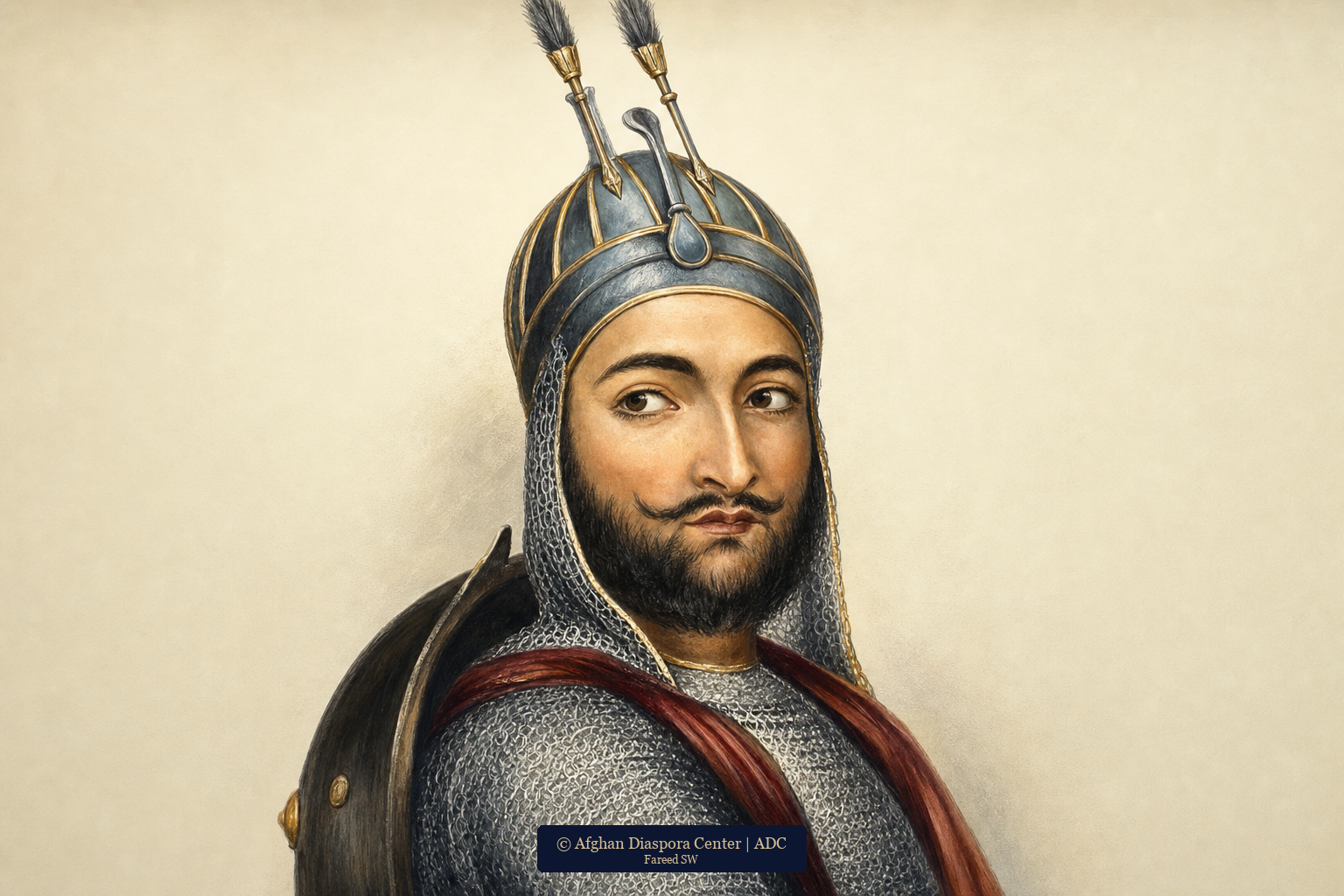
“I shot the man who uttered the word Afghanistan and colonialism in the same sentence — I shot him in the mouth in his own office.
— Wazir Mohammad Akbar Khan
Our Gallery features an extensive catalog of Afghanistan's most influential historical figures — leaders, warriors, scholars, and poets who shaped the course of modern Afghan history — alongside a curated collection of moments from our community events, cultural programs, and gatherings.
Our gallery spans centuries of Afghan history — from the founders of a nation to the scholars who shaped its modern identity. Select a collection below to navigate directly.
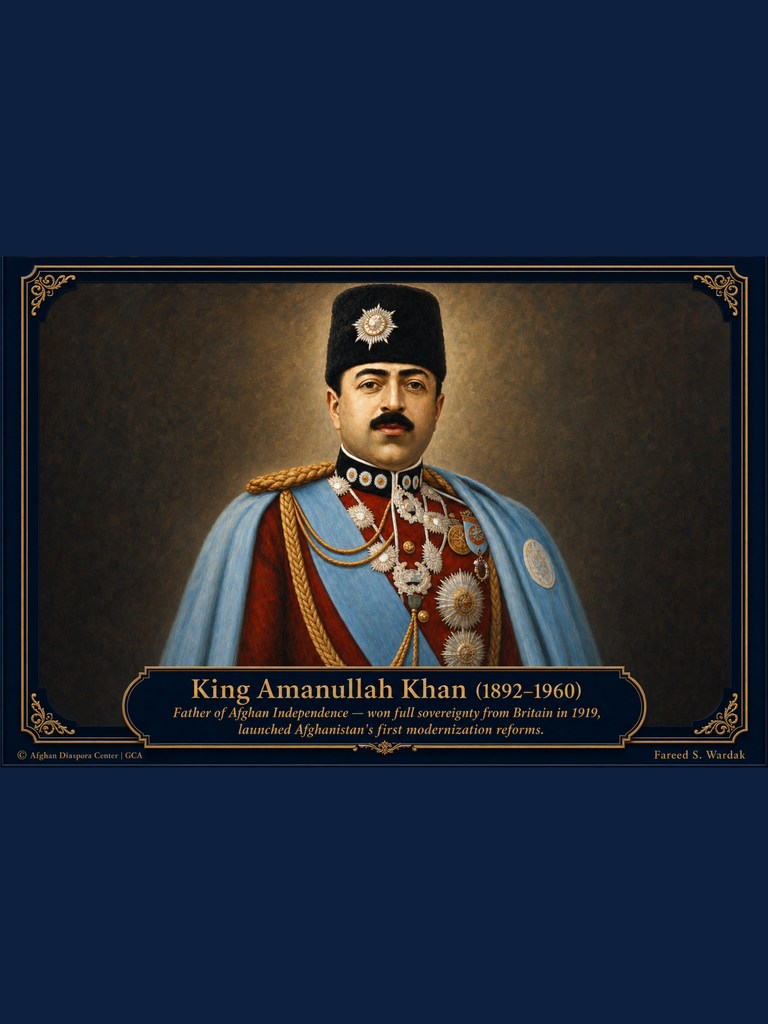
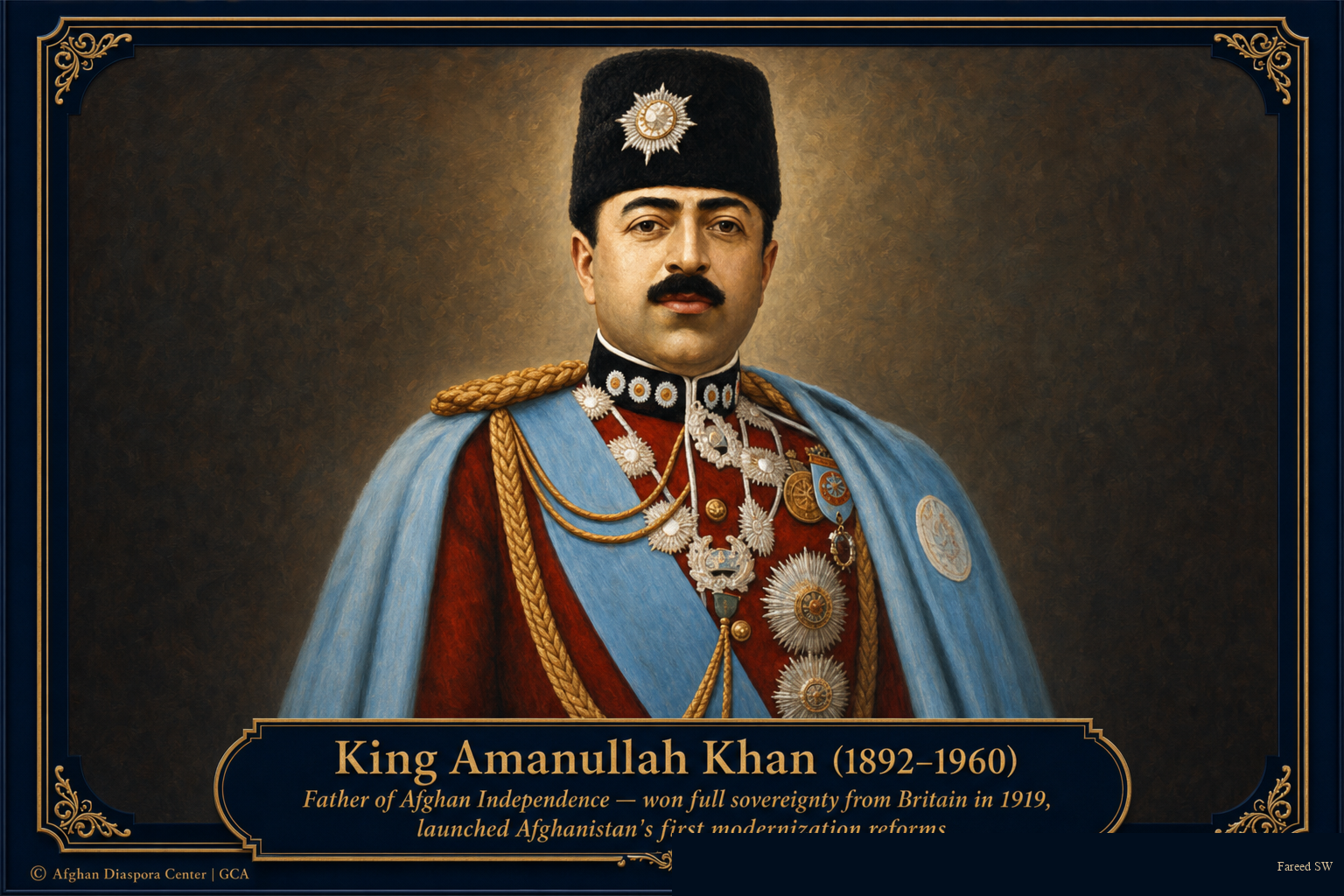
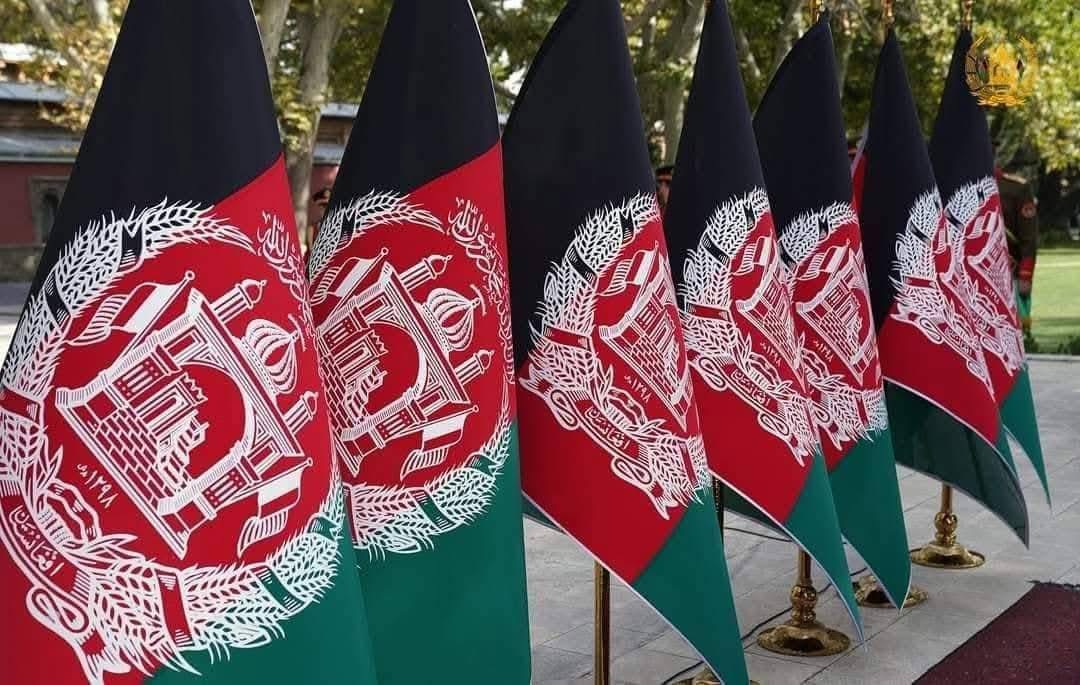
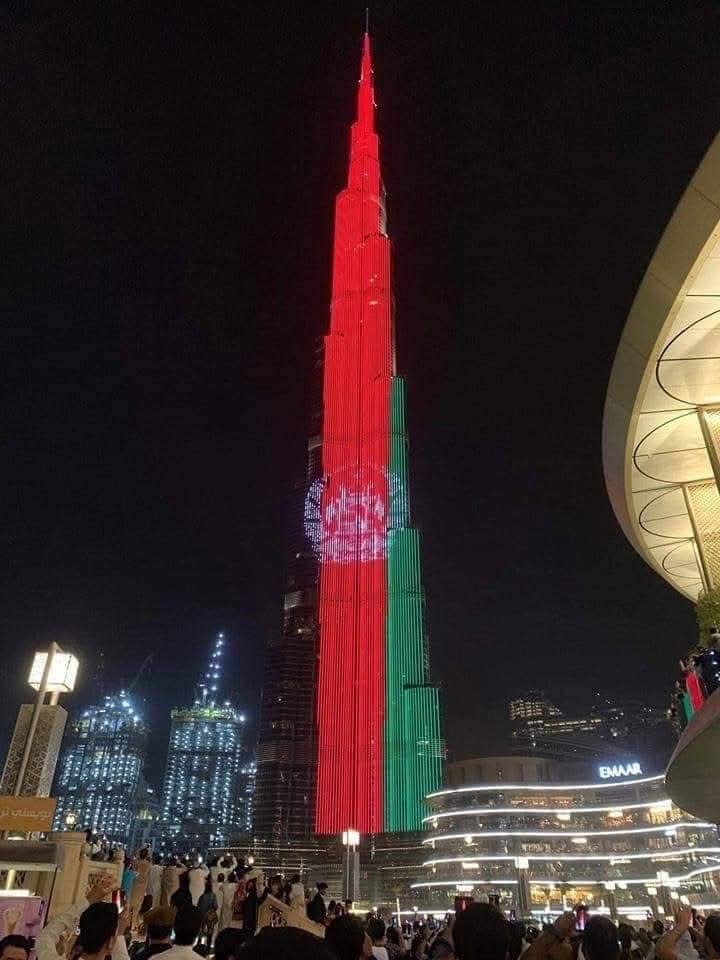
On August 19, 1919, Afghanistan formally declared its full and complete independence — the right to govern its own affairs, conduct its own foreign policy, and stand before the world as a sovereign nation free of any foreign control. This victory, won on the battlefield and at the negotiating table by the young and visionary King Amanullah Khan, marks one of the most consequential moments in Afghan history. Today, Afghans around the world celebrate Jashn-e Istiqlal — the Festival of Independence — with pride, gratitude, and an undiminished sense of national identity.
Born on June 1, 1892 in Paghman, Afghanistan, Amanullah Khan was the third son of Amir Habibullah Khan. On February 20, 1919, his father was assassinated on a hunting trip in Laghman Province. Amanullah — who controlled Kabul's treasury and the army — moved swiftly, suppressed rival claims to the throne, and within months had secured the loyalty of most tribal leaders and urban centers. He was just 26 years old when he took the throne, and he had one burning ambition: to complete what his predecessors had never achieved — full Afghan sovereignty.
In his coronation address, Amanullah declared Afghanistan's total independence from Great Britain. The British Empire, exhausted from World War I and dealing with unrest across its territories following the Amritsar Massacre, was in no position for a prolonged conflict. On May 3, 1919, Afghan forces crossed the Durand Line near the Khyber Pass. The Third Anglo-Afghan War — known in Afghan history as the Jang-e Istiqlal, the War of Liberation — had begun. Though the military campaign lasted only three months, it achieved what two previous Anglo-Afghan wars had failed to: complete British recognition of Afghan independence in foreign affairs. The armistice took effect on June 3, and negotiations concluded on August 8 with the Treaty of Rawalpindi, in which Britain formally recognized Afghanistan's sovereignty. August 19 was proclaimed Independence Day — the date Amanullah officially declared the achievement of full independence to the Afghan nation.
Independence was only the beginning. With the political capital earned from victory, Amanullah embarked on an ambitious program to transform Afghanistan into a modern nation-state:
Standing beside Amanullah was Queen Soraya Tarzi — the daughter of Afghanistan's reformist Foreign Minister Mahmud Tarzi, and one of the most remarkable women in Afghan history. She appeared publicly unveiled beside her husband, championed women's education, and became a symbol of a new, modern Afghanistan. Her presence at state ceremonies and diplomatic tours of Europe made international headlines and remains an enduring image of Afghan progress.
The speed of Amanullah's reforms ultimately outpaced the country's readiness. Conservative tribal and religious leaders — whose subsidies had been cut and whose authority had been challenged — fomented unrest. A tribal revolt in 1929, led by Habibullah Kalakani, forced Amanullah to abdicate on January 14, 1929. He fled to British India, then to Europe, where he spent the next three decades in exile — first in Rome, then in Zürich, Switzerland, where he died on April 25, 1960 at the age of 67. His body was brought home to Afghanistan and buried in Jalalabad, near his father's tomb.
A century after his reign, Amanullah Khan remains the most beloved symbol of Afghan independence, sovereignty, and the aspiration for a modern, educated, and self-determining Afghanistan. His name is invoked by Afghans around the world not merely as a king but as the father of Afghan independence. On every August 19th, from Kabul to California, from London to Sydney, Afghans raise the black, red, and green flag and remember the young Emir who dared to take on an empire — and won.
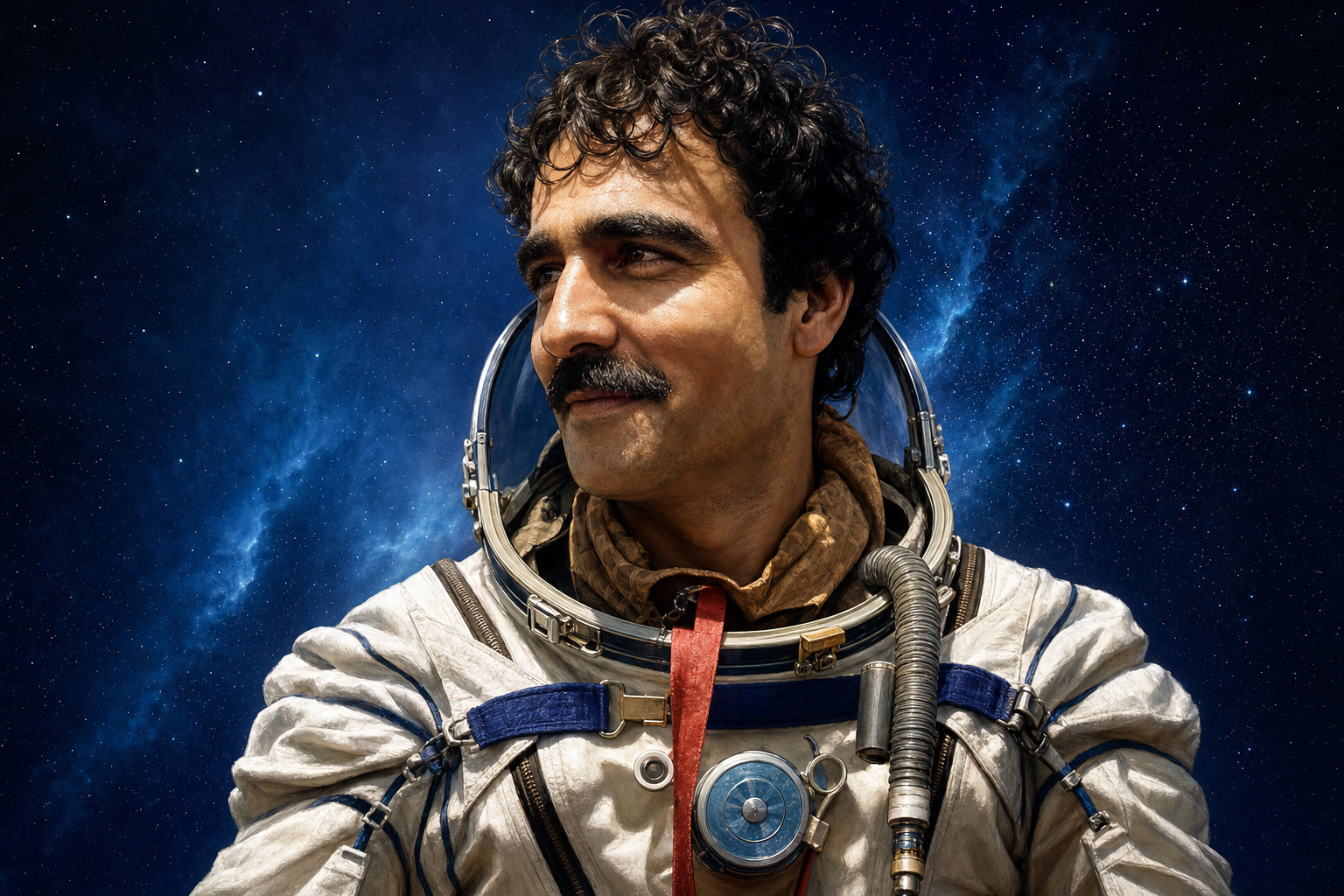
Colonel Abdul Ahad Mohmand became the first and only Afghan to travel in space, aboard Soyuz TM-6 to the Mir station in 1988.
Open on YouTube if the player does not load.
View Abdul Ahad Mohmand's full biography in Notable Afghan Personalities ↓
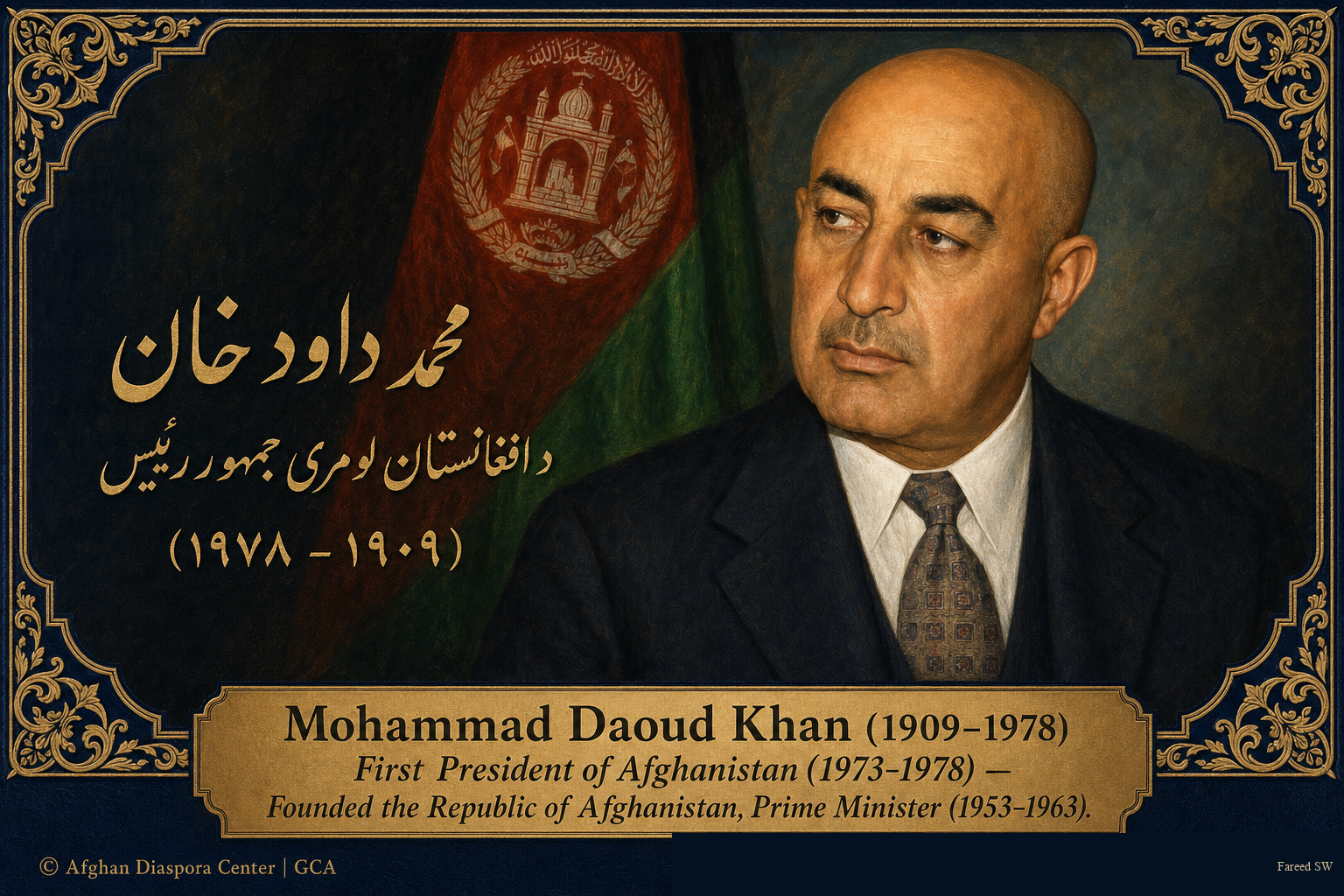
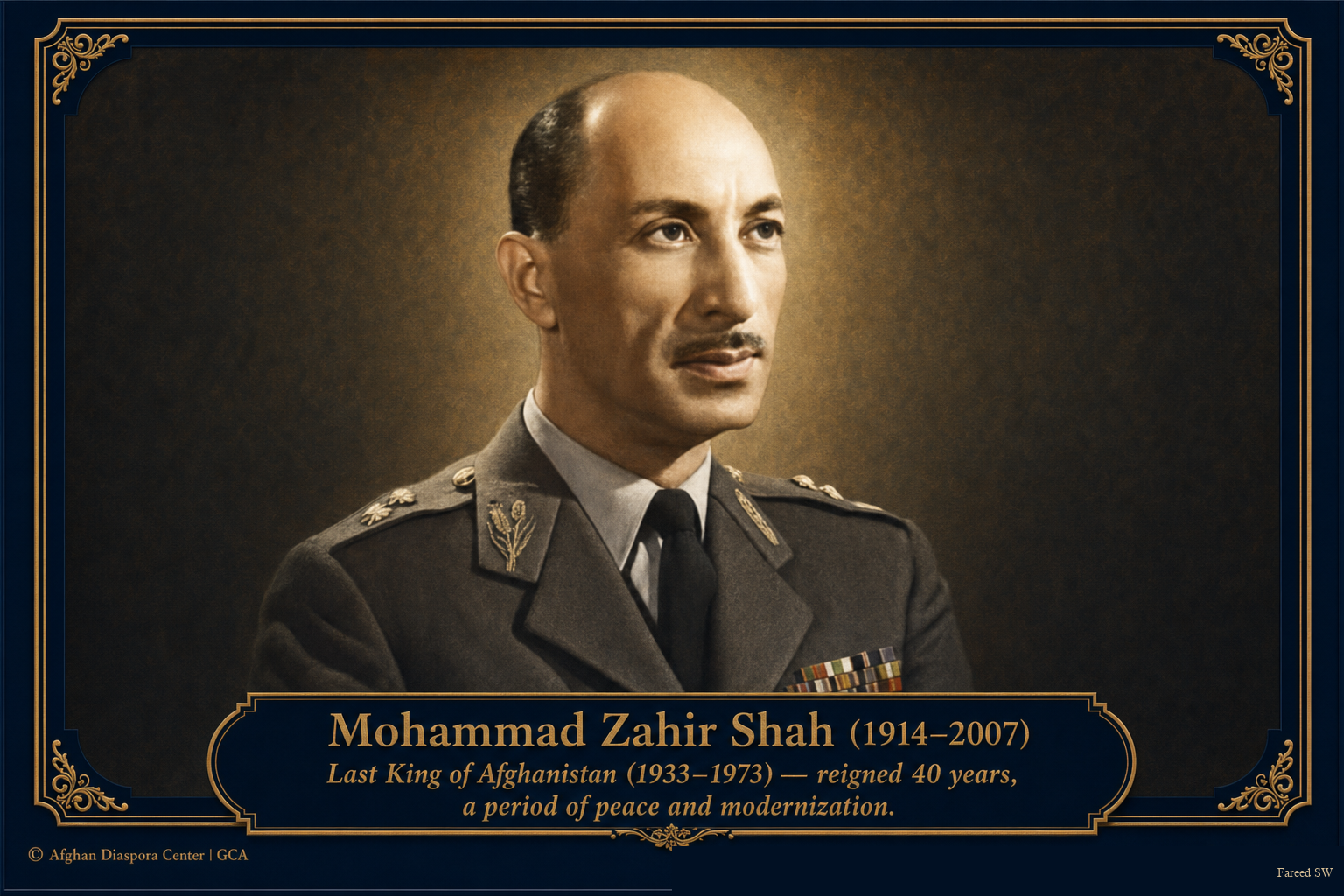
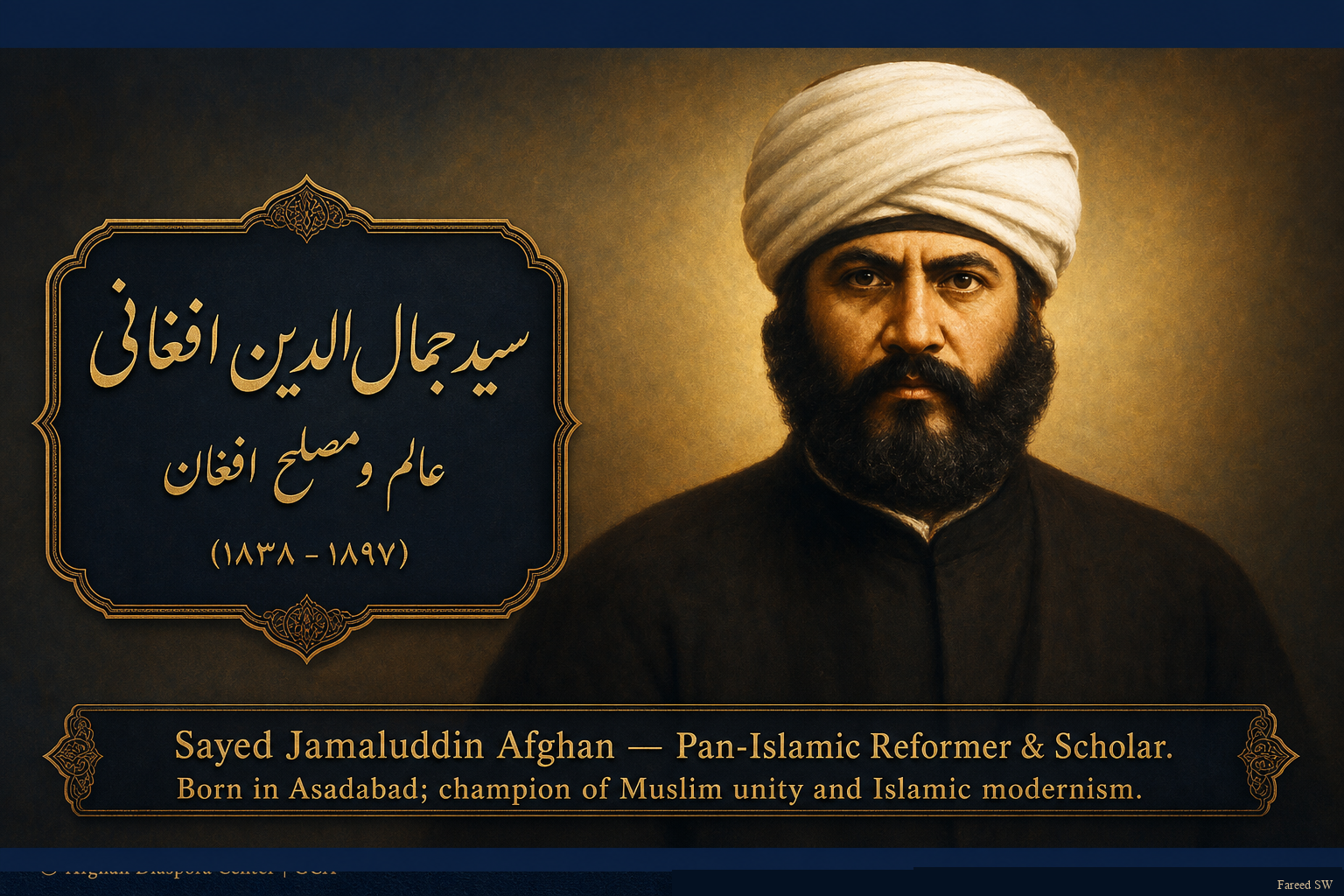
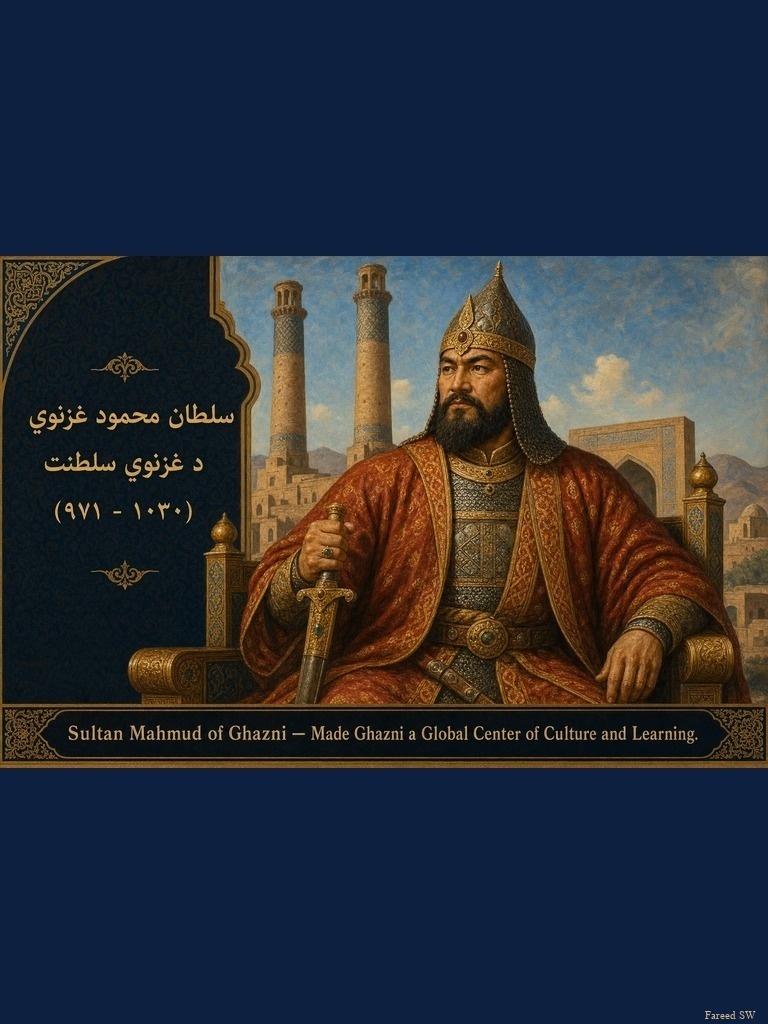
Illustrated portraits celebrating the great leaders and heroes who shaped Afghan history and culture.
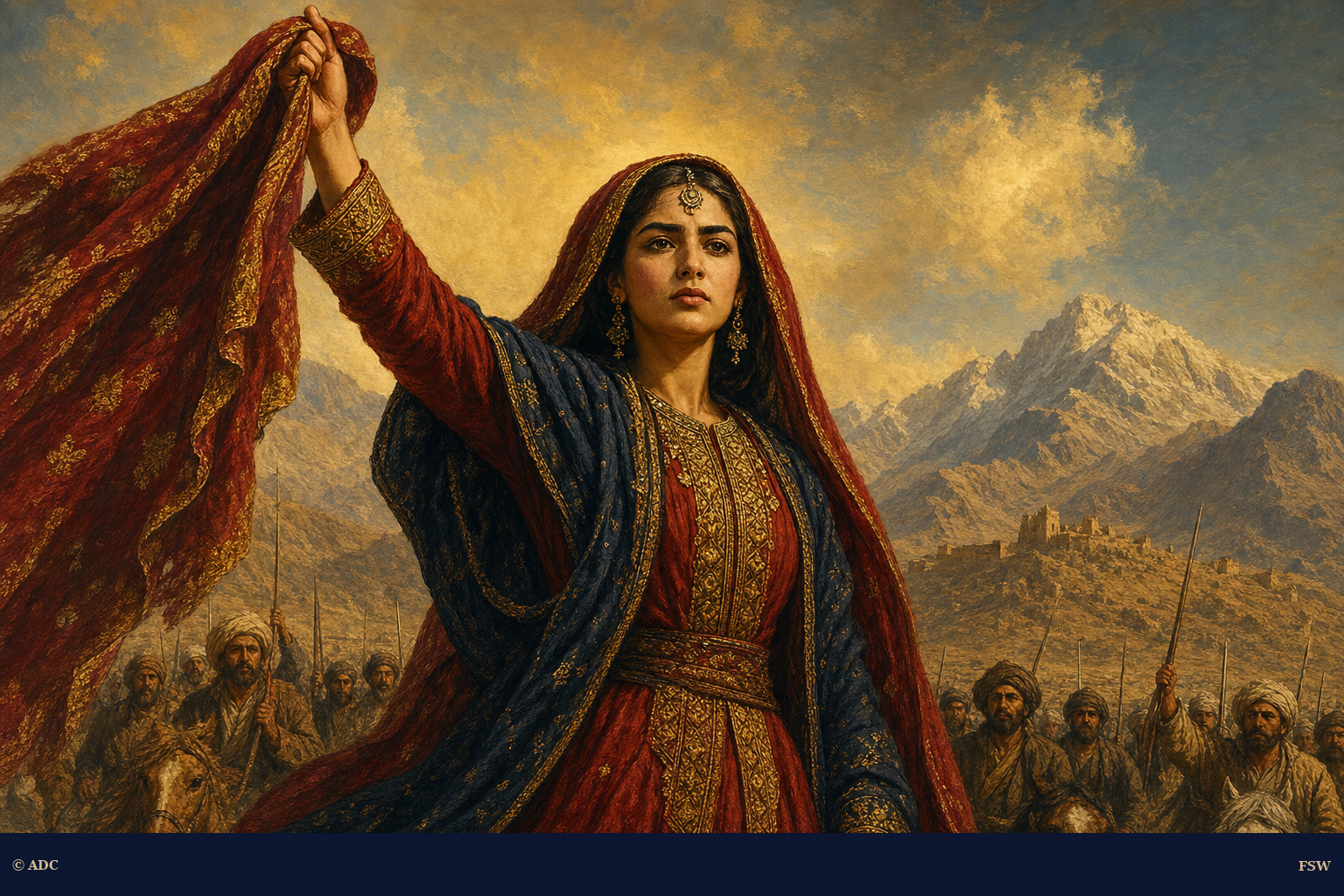
On July 27, 1880, the Battle of Maiwand became one of Britain's most devastating defeats in Afghanistan. When the Afghan standard-bearer fell and troops began to retreat, a young Pashtun woman — Malala, daughter of a shepherd from the village of Khig — stepped forward. She tore off her veil, raised it as a banner, and recited her famous war poem to rally the soldiers. The Afghan forces turned back and fought on. Malala was killed in the battle, but her act of courage became immortal.
She was the fiancée of a soldier fighting in that battle. Her name became synonymous with resistance, dignity, and the spirit of Afghan womanhood. Schools, streets, and institutions across Afghanistan bear her name, and she inspired generations of Afghan women and freedom fighters.
که په میوند کې شهید نه شوی
خدایږو لالیه بې ننګی ته د ساتینه
که چیرې د مینې پر ننگ شهیده نه شم
د قیامت تر ورځې به د ننگ پیغله یمه
"Young man, if you do not fall as a martyr at Maiwand — God forbid, my dear, that you be kept for a life of dishonor. // If I do not become a martyr in the name of honor and love — By God, I shall remain a maiden of shame until Judgment Day."
— Malala Maiwand, Battle of Maiwand, July 27, 1880
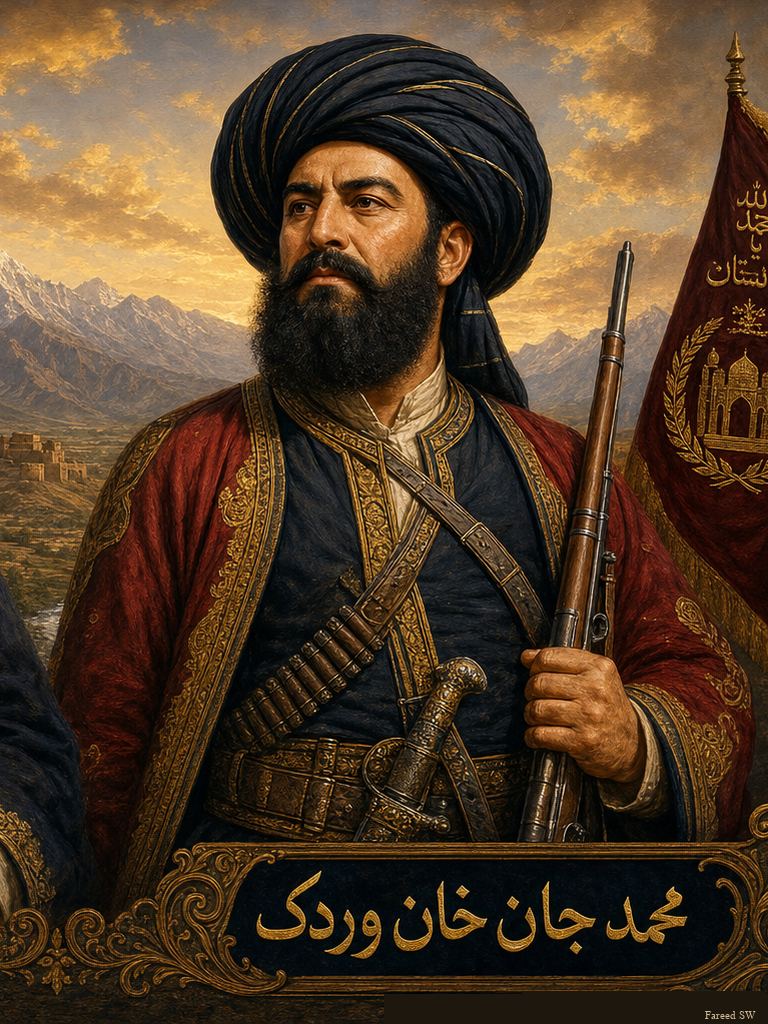
Son of Amir Dost Mohammad Khan and a prince of the Barakzai tribe, Wazir Mohammad Akbar Khan became a symbol of Afghan resistance to colonial invasion. His leadership during the uprising of 1841–1842 — including the killing of British envoy Sir William Macnaghten — remains one of the defining chapters of modern Afghan history.
“I shot the man who uttered the word Afghanistan and colonialism in the same sentence — I shot him in the mouth in his own office.”
— Wazir Mohammad Akbar Khan
Open on YouTube if the player does not load.
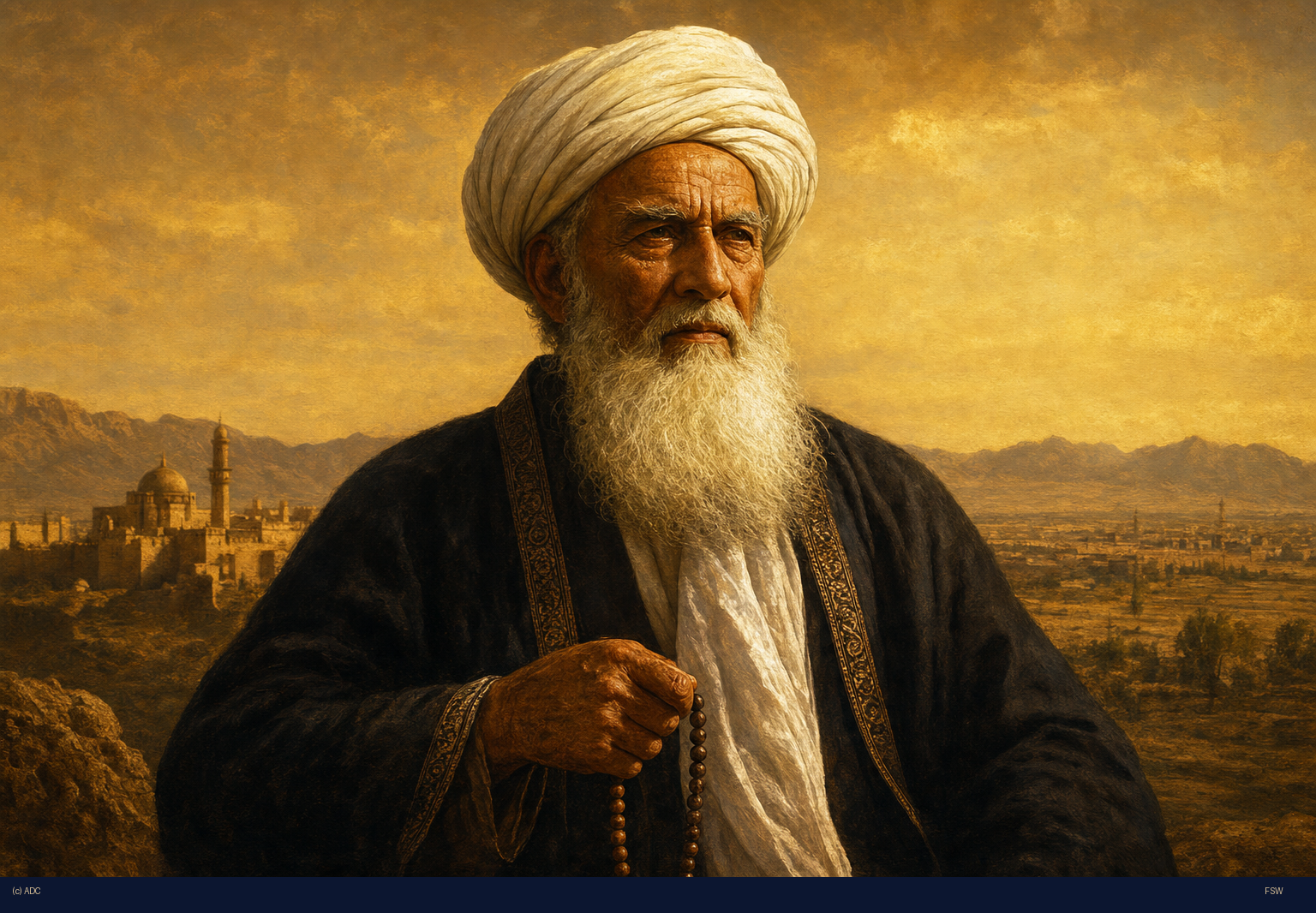
Mulla Mushk-i-Alam was the preeminent religious authority of southern Afghanistan across the turbulent decades of the 19th century. He served as a unifying spiritual force during both the First Anglo-Afghan War (1839–1842) and the Second Anglo-Afghan War (1878–1880), issuing powerful fatwas calling Muslims to jihad against British forces at a time when Afghanistan's independence was under severe threat.
His most decisive contribution came in the lead-up to the Battle of Maiwand (July 27, 1880) — one of Britain's most catastrophic defeats in Afghanistan. Working closely with Sardar Ayub Khan (son of Amir Sher Ali Khan), he rallied the tribes of Kandahar, Ghazni, and the surrounding regions, transforming what might have been a military engagement into a popular religious uprising. His authority over the Pashtun tribal heartland was unmatched — when he spoke, thousands answered.
Though already in his late 70s or 80s during the Second Anglo-Afghan War, his age only added to his stature. He was reportedly present near the battlefield at Maiwand, lending his spiritual authority to the campaign. The same battle that gave Afghanistan Malala Maiwand as its female hero was also the battle that Mulla Mushk-i-Alam had helped make possible through decades of resistance, scholarship, and unwavering conviction.
"He was not merely a cleric — he was the conscience of a people determined never to bow to foreign rule. His word was a fatwa; his presence was an army."
He passed away in 1886, revered across Afghanistan as a saint of resistance. His legacy endures in Kandahar and Ghazni, where his name remains synonymous with religious courage, national dignity, and the spirit of Afghan independence.
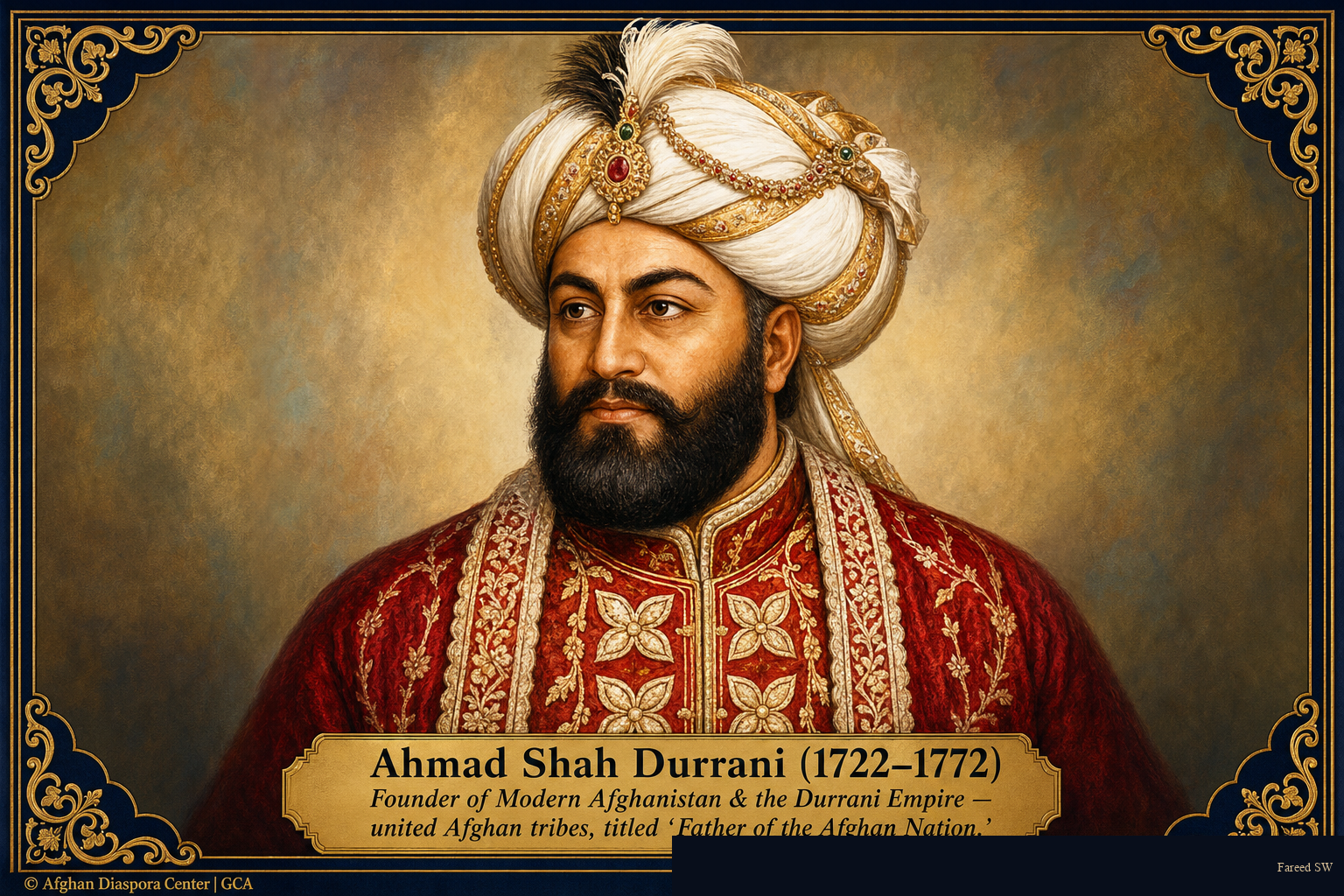
In 1747, after the death of Nader Shah of Persia, Afghan tribal leaders gathered in a loya jirga in Kandahar and chose Ahmad Shah Abdali as their king. From that moment, the Durrani Empire took shape — uniting Pashtun tribes under one banner and laying the foundation of Afghanistan as a homeland and nation.
“He united the Afghan tribes and established one of the most powerful empires of the 18th century — the very idea of Afghanistan as a shared homeland begins with Ahmad Shah Baba.”
Open on YouTube if the player does not load.
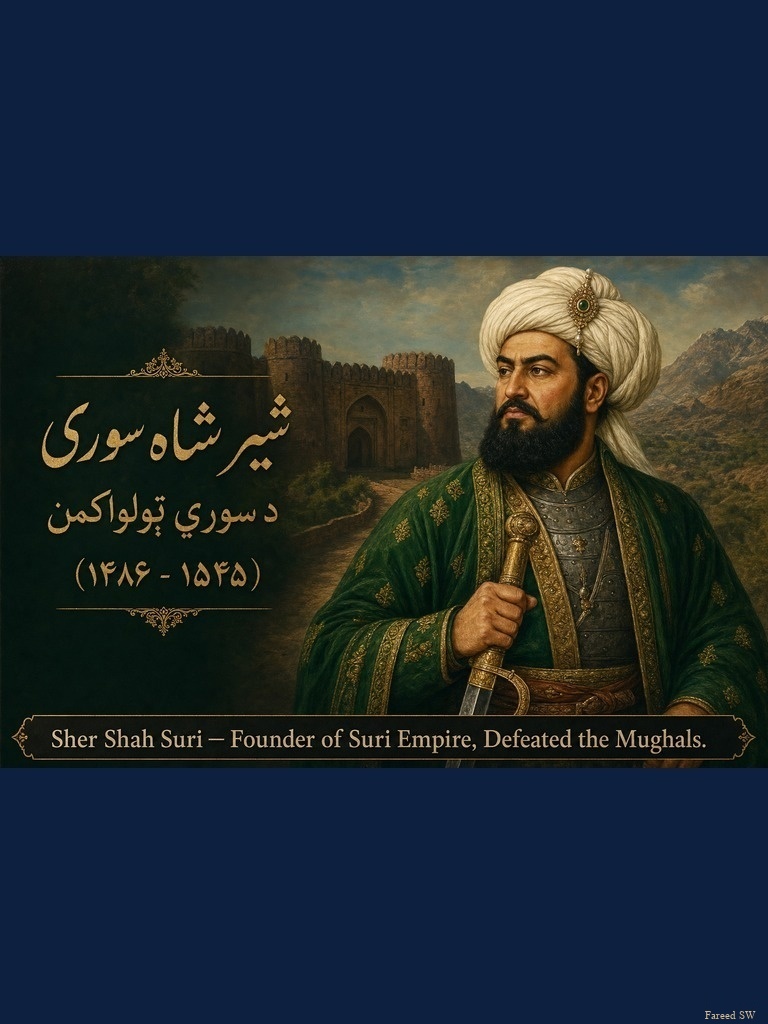
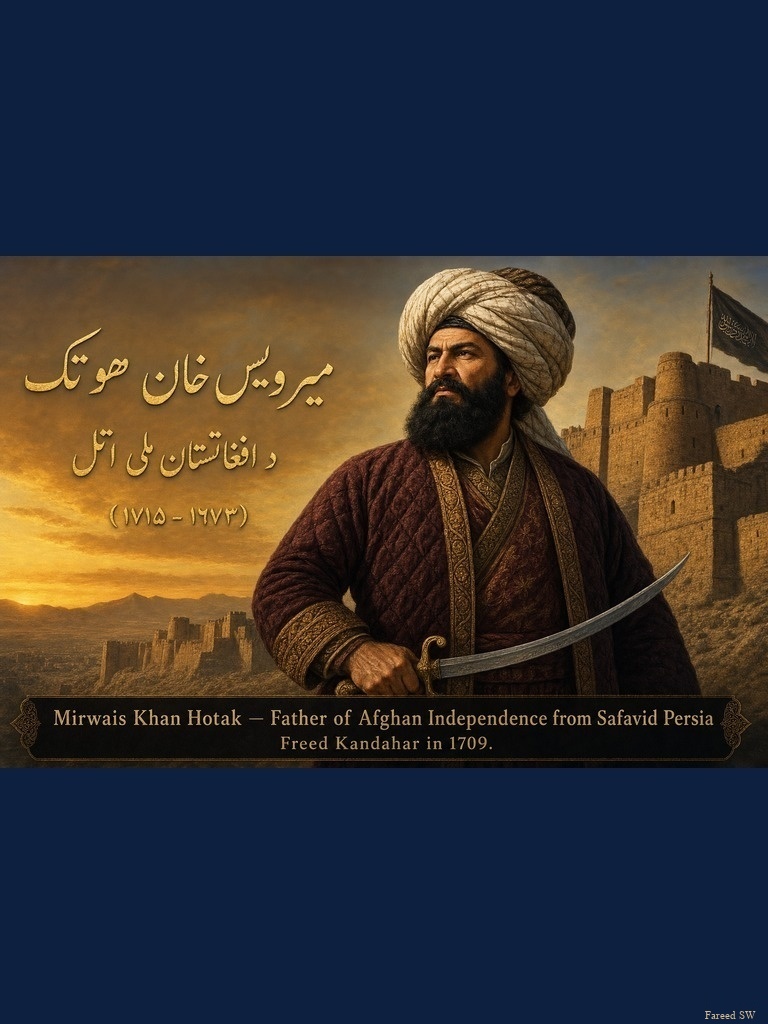
Afghan statesmen, administrators, scientists, and public servants whose contributions shaped modern Afghanistan and the broader Afghan story.
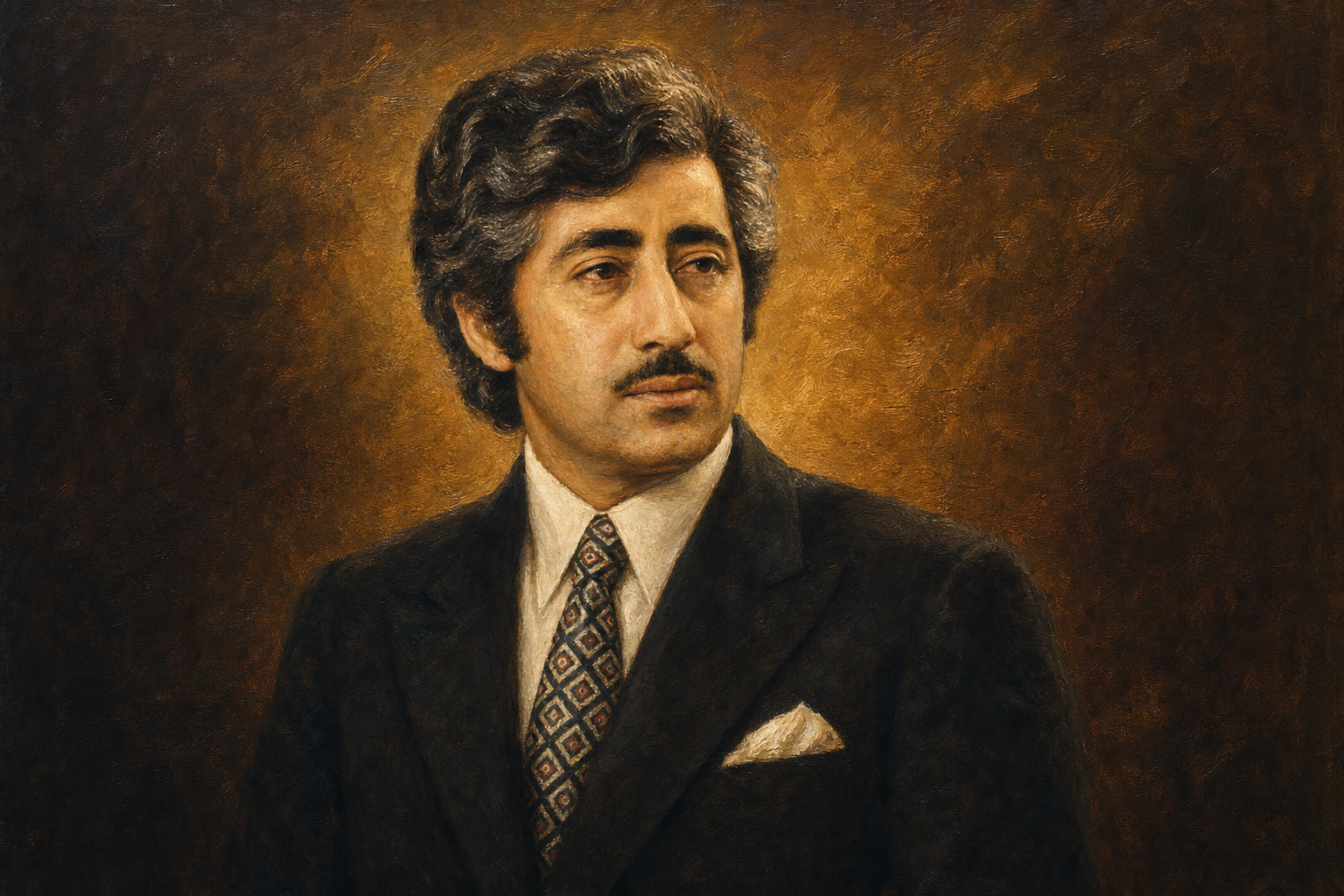
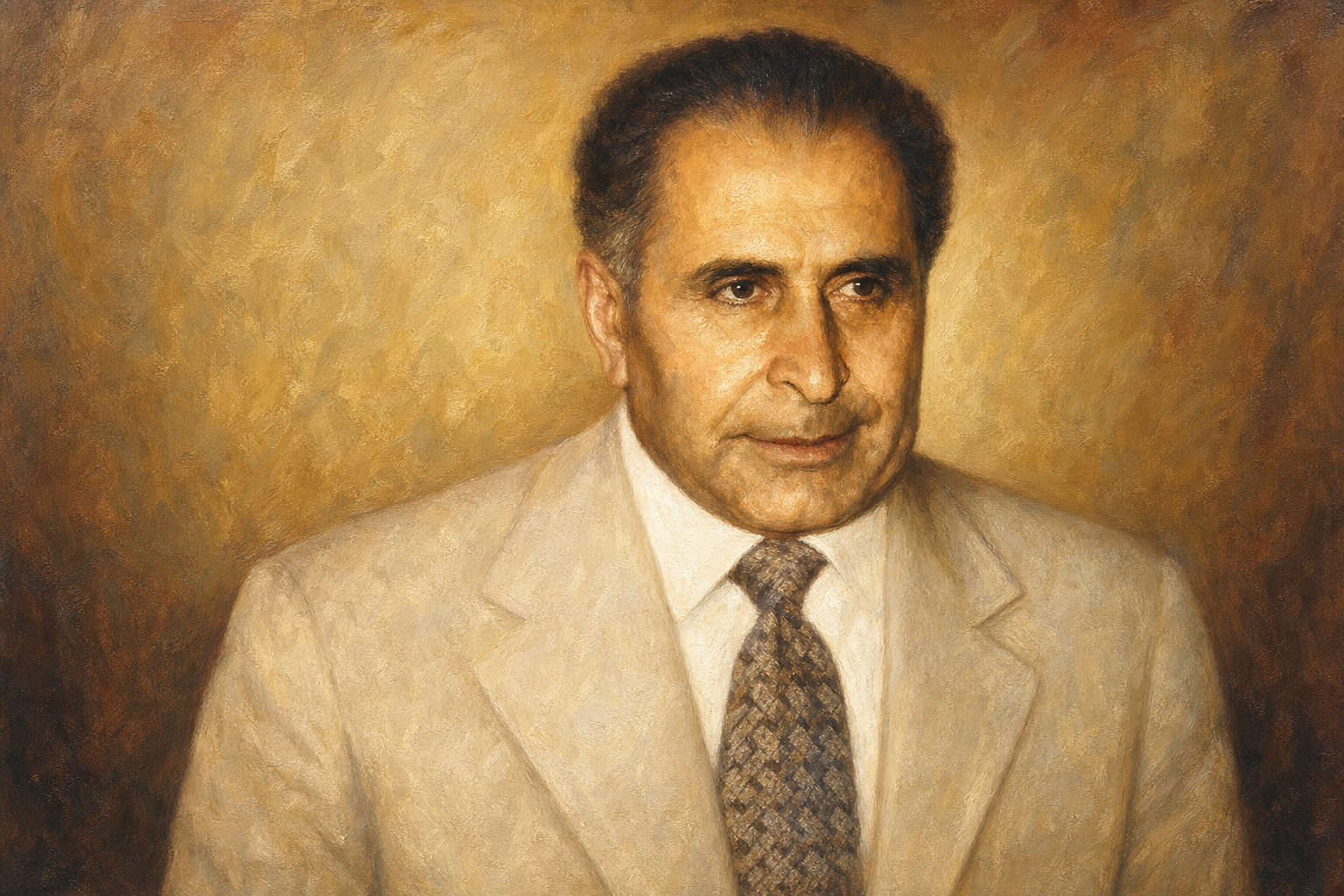
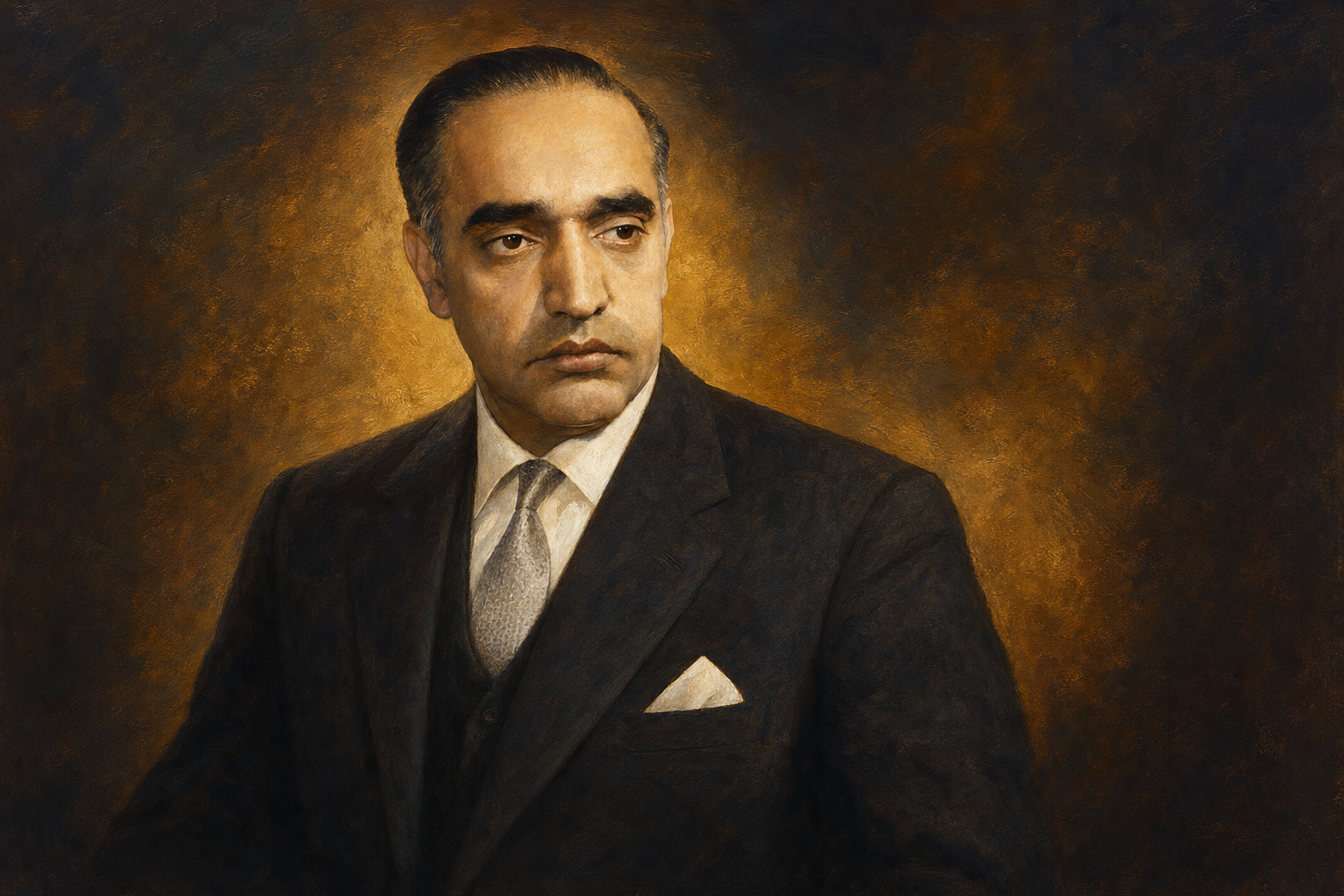
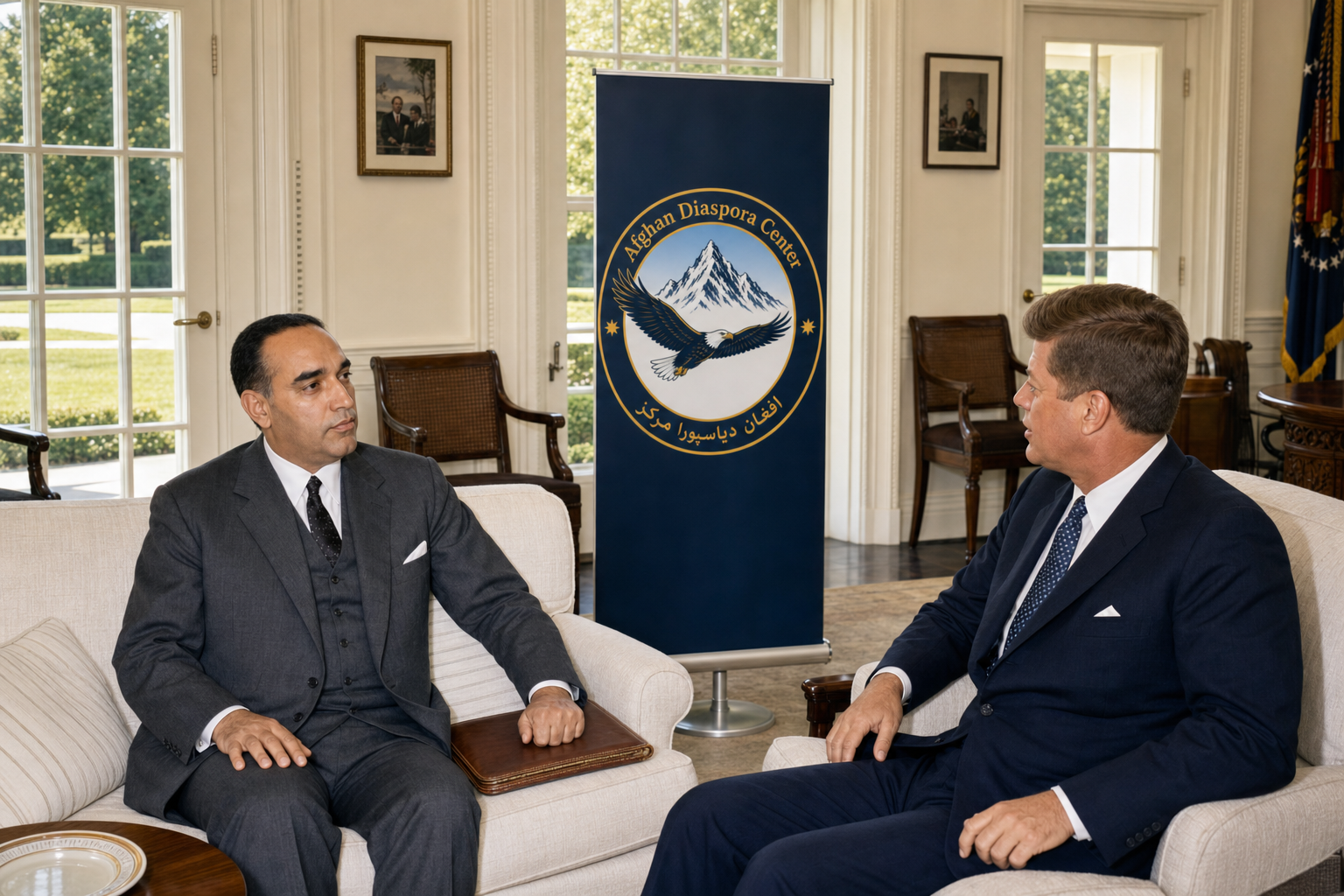 Meeting with President John F. Kennedy, White House, 1961
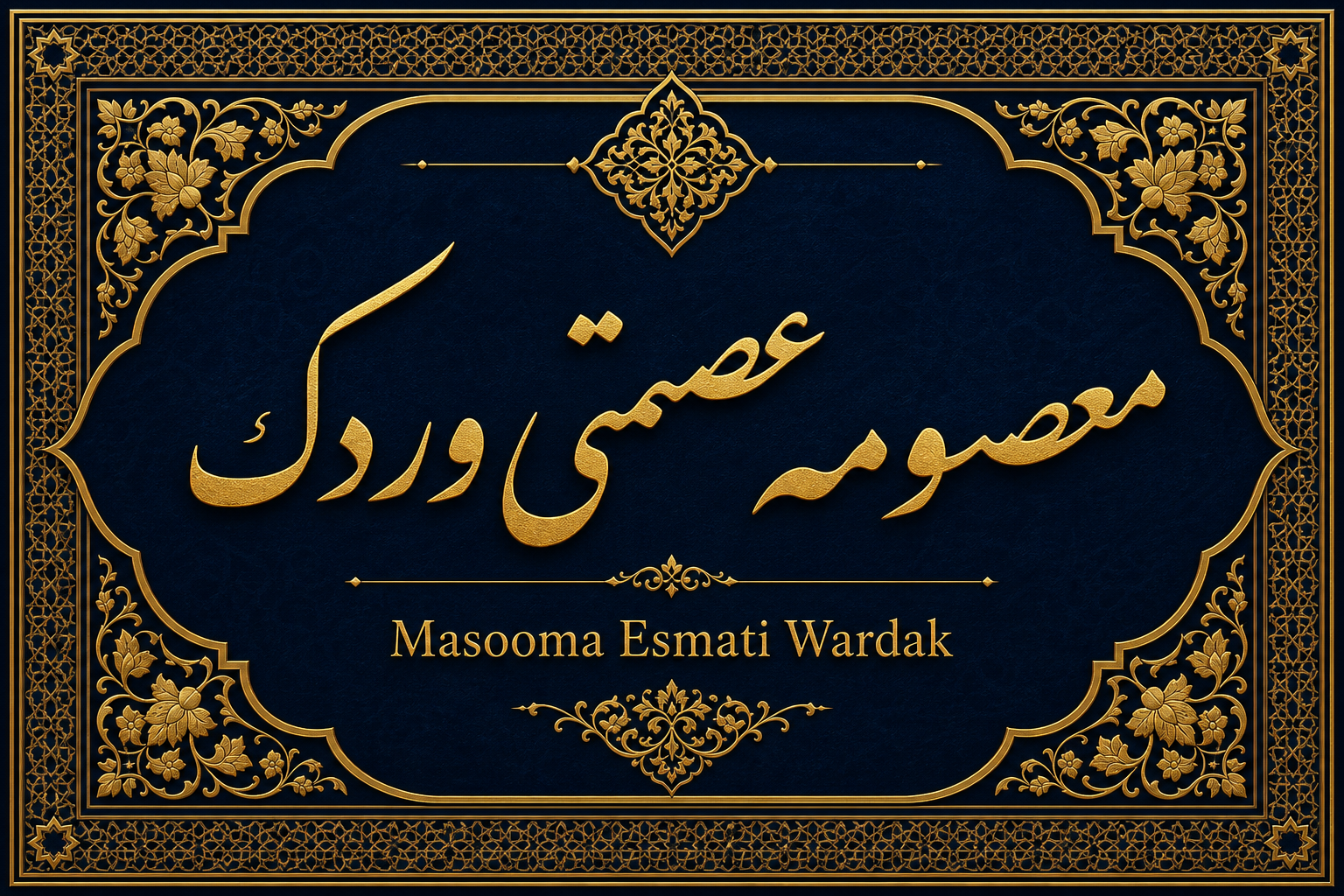
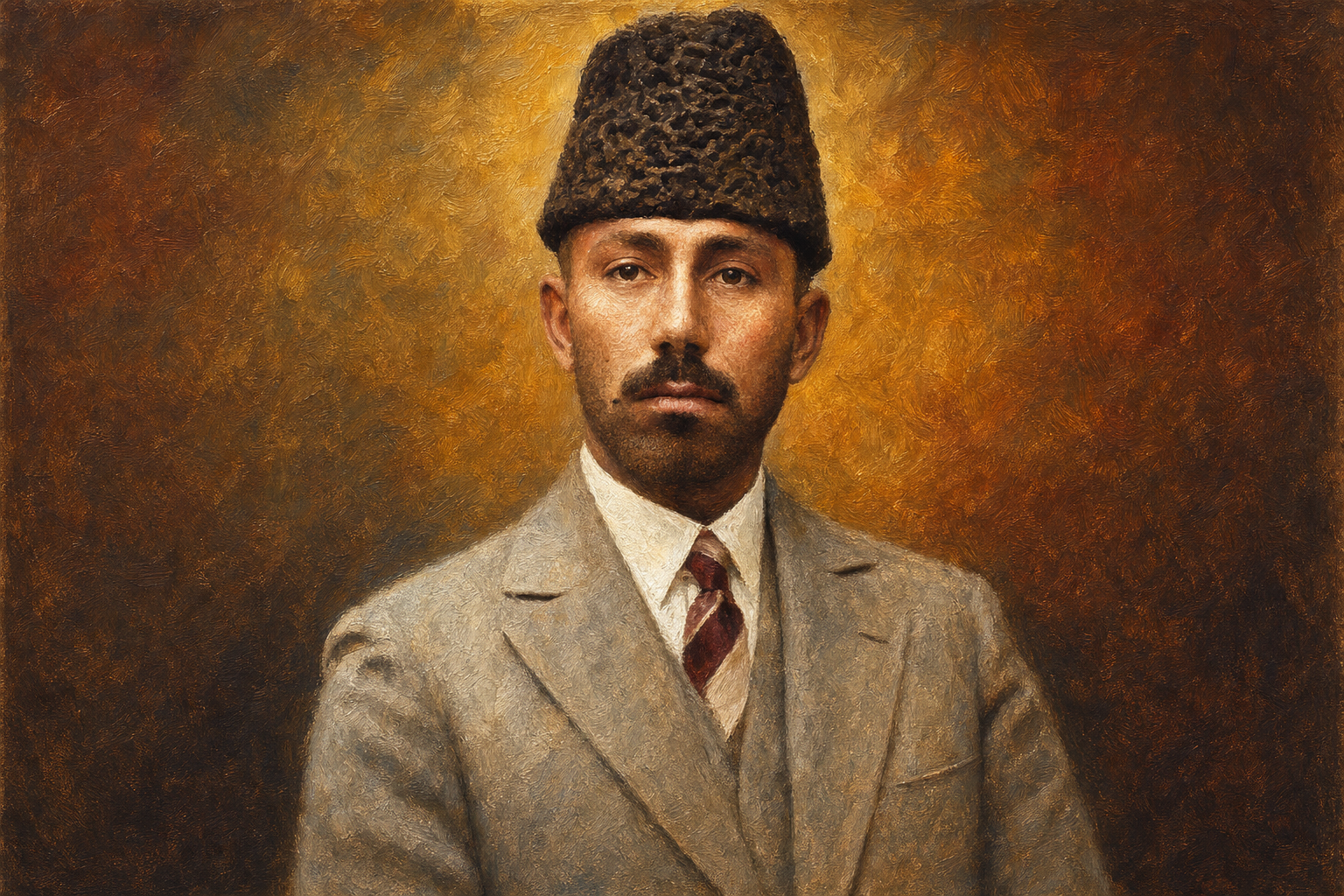
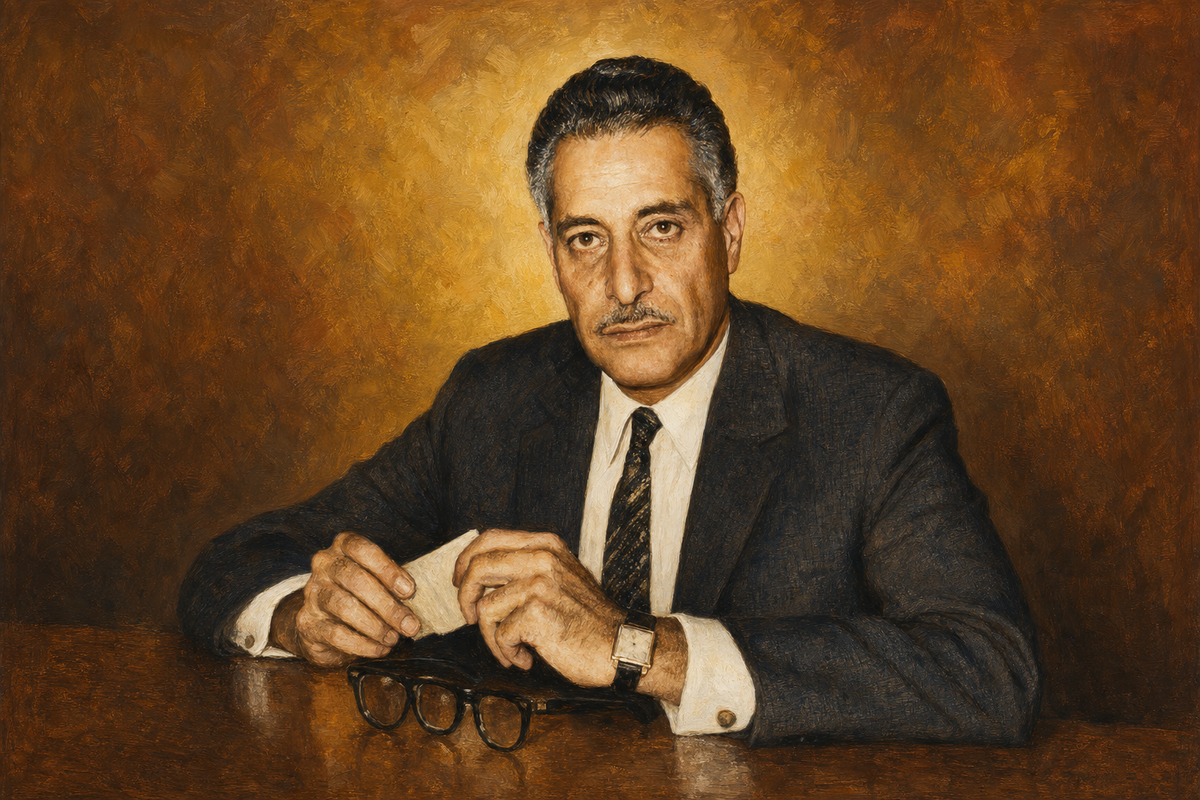
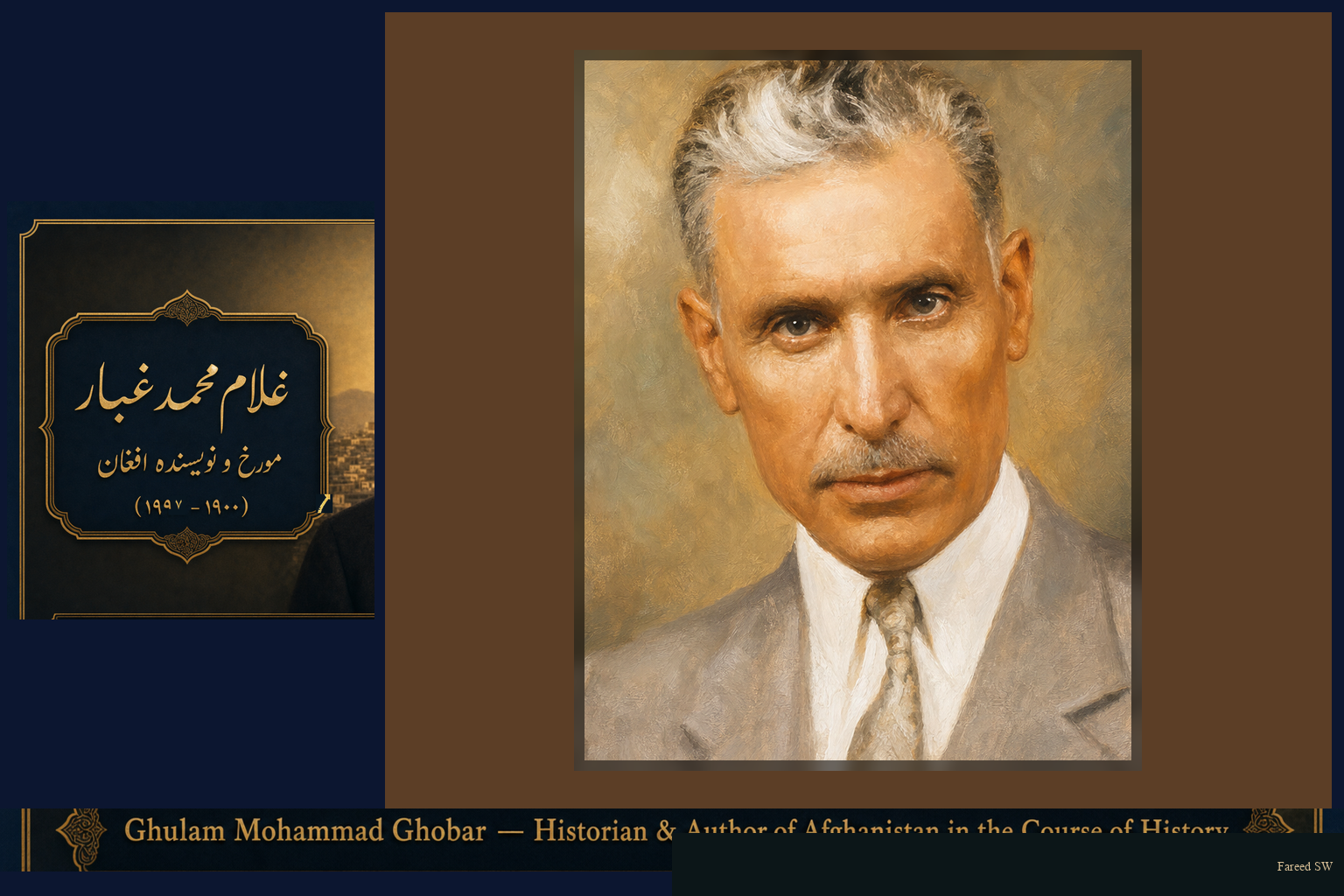
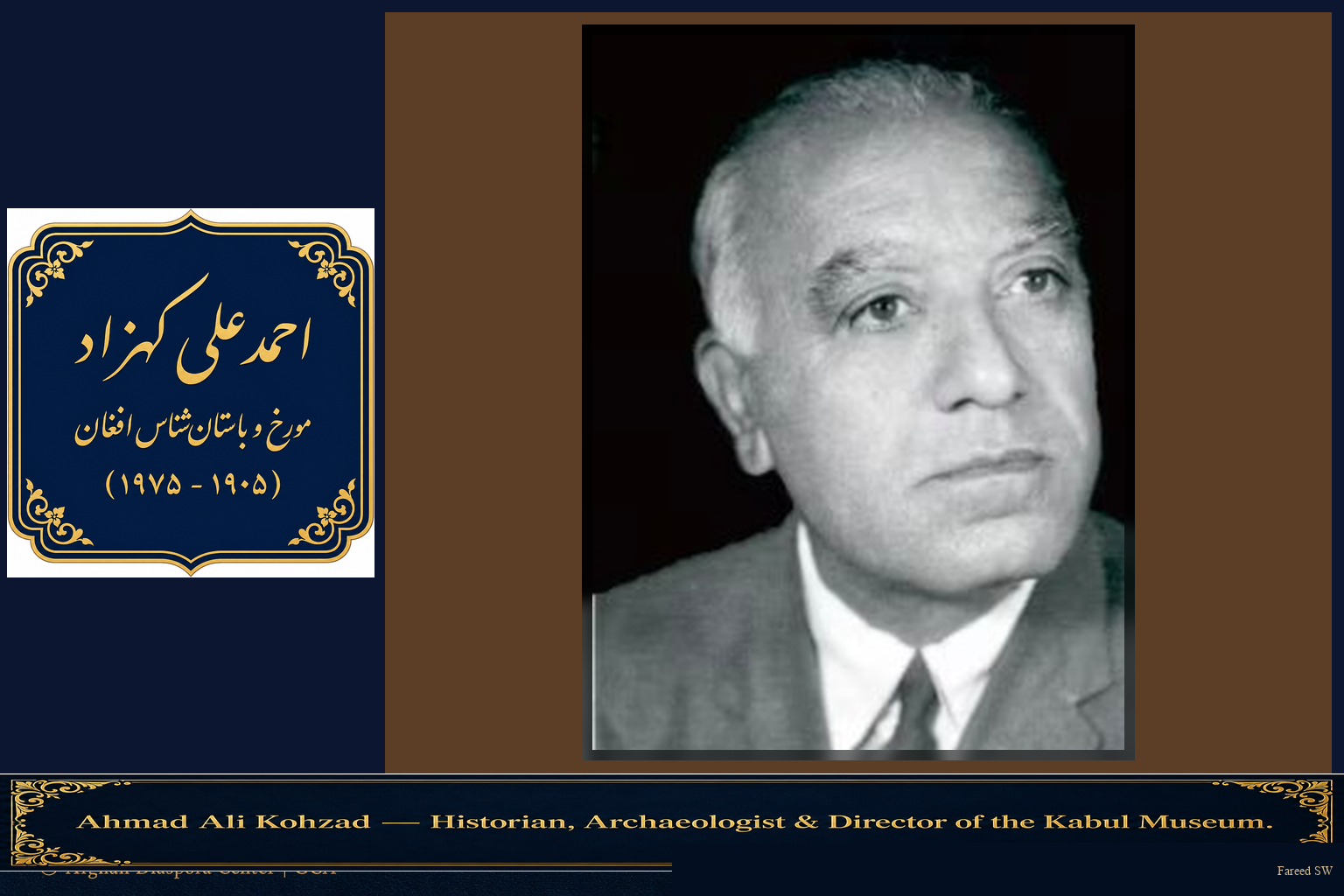
Scholars whose research and writing preserved Afghanistan's history for generations — in Dari, Pashto, and English.
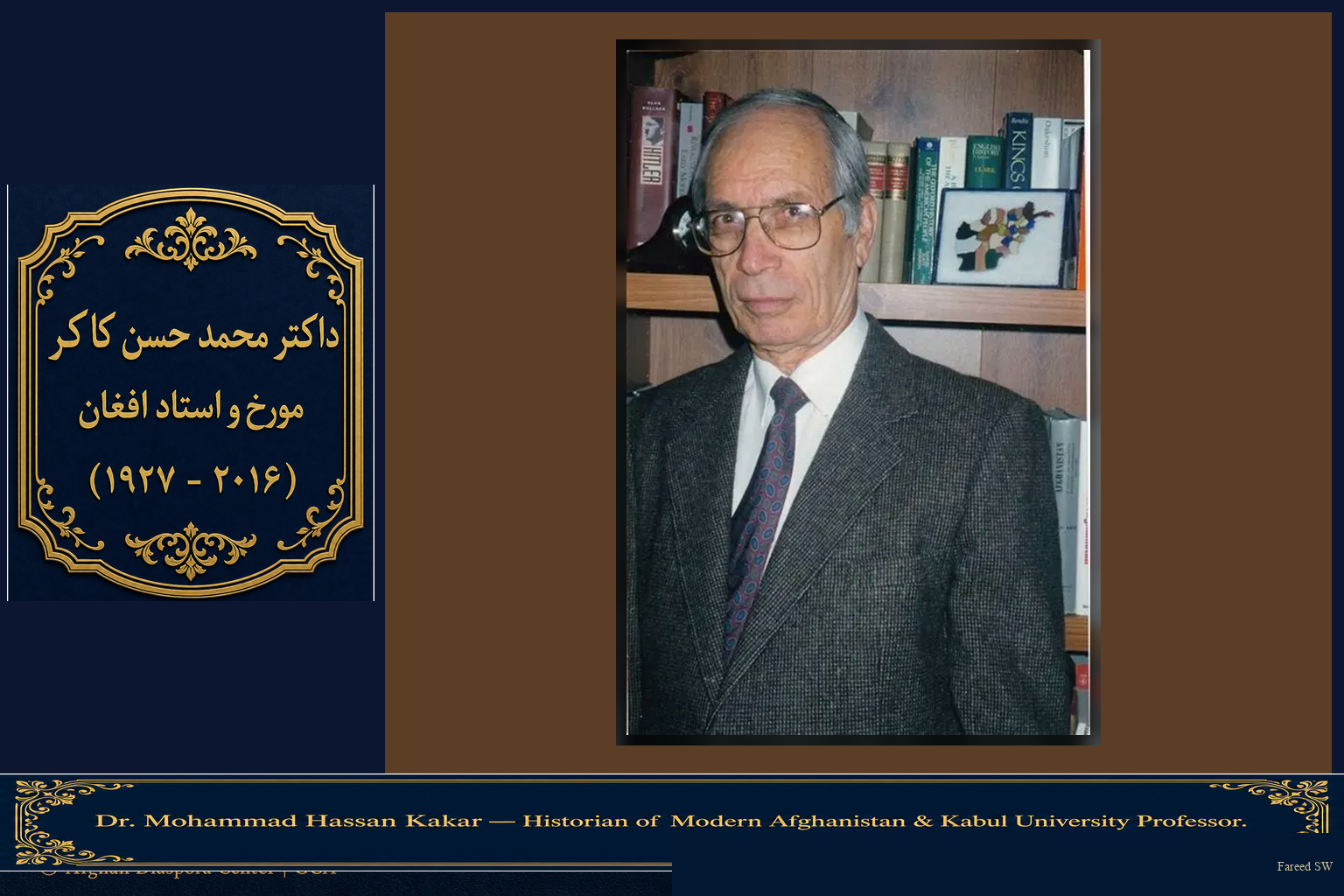
A rare time capsule from Wardak, Afghanistan — courtesy of The British Museum.
A curated tribute to the scholars, scientists, physicians, and educators whose extraordinary dedication to knowledge and public service helped build the foundations of a modern Afghanistan — individuals whose legacies endure far beyond their lifetimes.
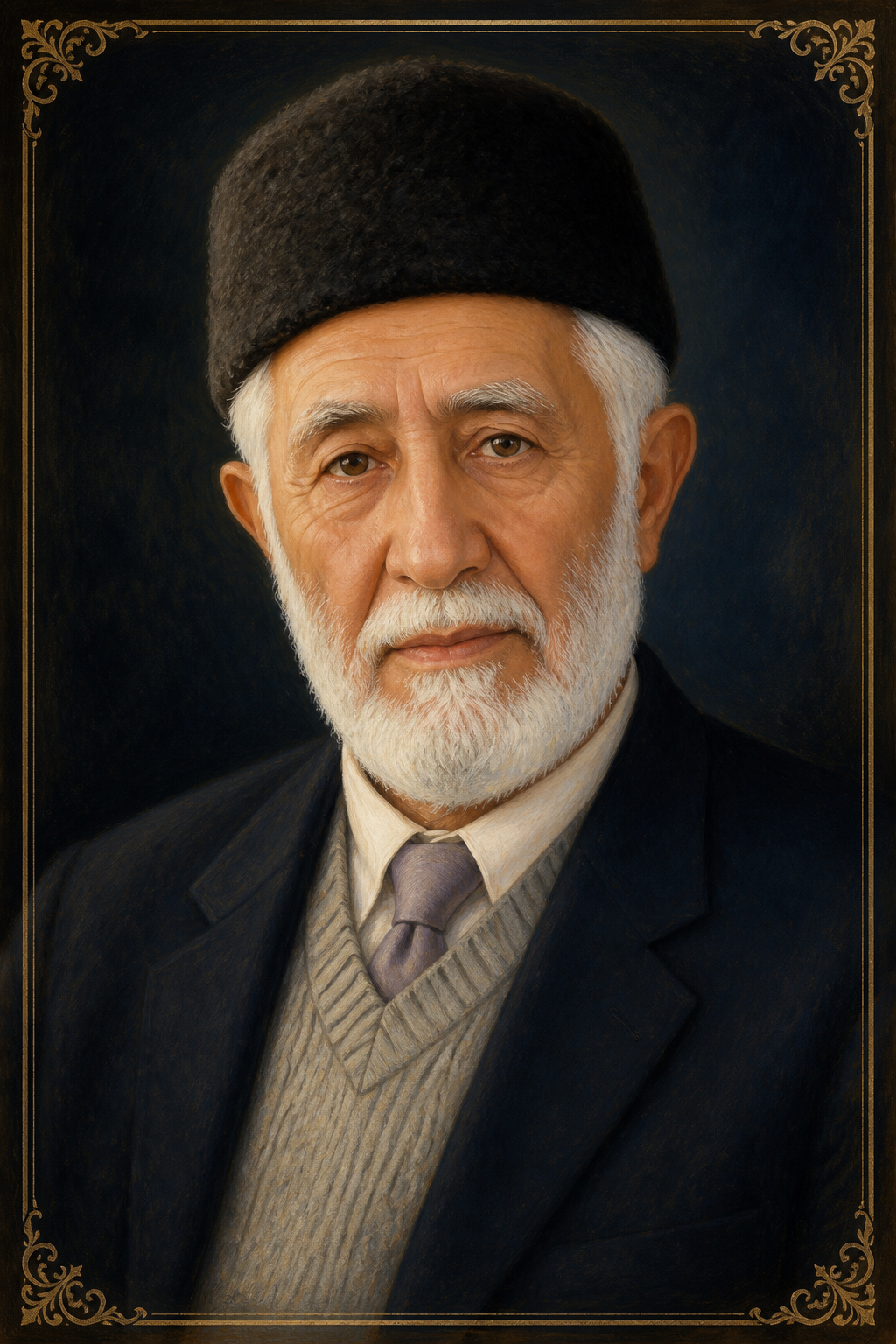
Among Afghanistan's greatest minds in medical science, Professor Sayed Alef Shah Ghazanfar stands as a singular figure — a man whose extraordinary intellect was matched only by his unwavering dedication to his homeland. Born on February 6, 1928 in the village of Sayed Mahmood in Kolangar district of Logar Province, he showed a remarkable aptitude for science from childhood. Despite the social and political difficulties of his era, he did not begin formal schooling until the age of 14 — yet he completed grades 2, 3, and 4 in a single year, graduating first in his class.
After completing primary school in Kolangar, he enrolled in the School of Nursing at Kabul Medical Faculty and began working as a mental health nurse at Ali Abad Teaching Hospital in 1946. Simultaneously, he continued his secondary education — completing grades 9, 10, and 11 at Sayed Jamaluddin Afghan High School before joining Habibia High School for grade 12, from which he graduated with top honors in 1951.
In 1952, the Afghan government awarded him a scholarship to study at the American University of Beirut (AUB). In his very first year there, he placed 1st among students from 50 countries. After eight years of study, he earned his Bachelor of Science with distinction in Chemistry, followed by a Doctorate in Medicine from Beirut's medical faculty — again ranking first in his class. He simultaneously passed the United States Medical Licensing Examination and was admitted to Harvard University for postgraduate research.
At Harvard, he spent two years conducting research on physical chemistry of proteins and published four scientific papers in American scientific journals — a rare achievement for an Afghan scholar of his time.
In 1962, Dr. Ghazanfar returned to Afghanistan carrying a $20,000 grant from the United States Science Foundation to establish a research laboratory in the Biochemistry Department at Kabul Medical University. Over the next four years, he conducted research on abnormal hemoglobins in Afghanistan, publishing the results in the Lebanese Medical Journal. He joined the academic faculty at the rank of Pohando (Associate Professor) and taught Biophysics, Biochemistry, and Organic & Analytical Chemistry at both the Medical and Pharmacy faculties of Kabul University.
Through some of Afghanistan's most turbulent decades, Prof. Ghazanfar never fled his country. He was imprisoned twice by the People's Democratic Party of Afghanistan (PDPA) on false accusations, subjected to physical and psychological torture — but returned each time, head held high, to continue serving his people. During the period of emigration to Pakistan, he taught at Jalalabad's medical faculty at considerable personal risk. He never accepted a permanent position abroad, refusing opportunities in multiple countries where he could have lived comfortably, choosing instead the harder path of service to Afghanistan.
In April 2009, following a heart attack, Prof. Ghazanfar lost his sight — yet he did not stop. He continued advising on forensic medicine and public health until he retired in 2011 at age 83. Even after retirement, colleagues and institutions continued to seek his counsel. He passed away on March 21, 2013, at the age of 85, and was laid to rest in his ancestral village in Logar Province the following day.
Former students remember him not only for his towering intellect but for his warmth, his informality, and his habit of "straying" from the curriculum to share stories of sacrifice, patriotism, and life's deeper lessons. He is remembered as a father figure to generations of Afghan physicians. His name endures in the libraries, laboratories, and institutes that continue to serve the Afghan people he loved so deeply.
"مرد نمیرد به مرگ، مرگ از او نامجوست — نام چو جاوید شد مردنش آسان کجاست"
A man does not die by death — death seeks no name from him. Once the name becomes immortal, where is the ease of dying?
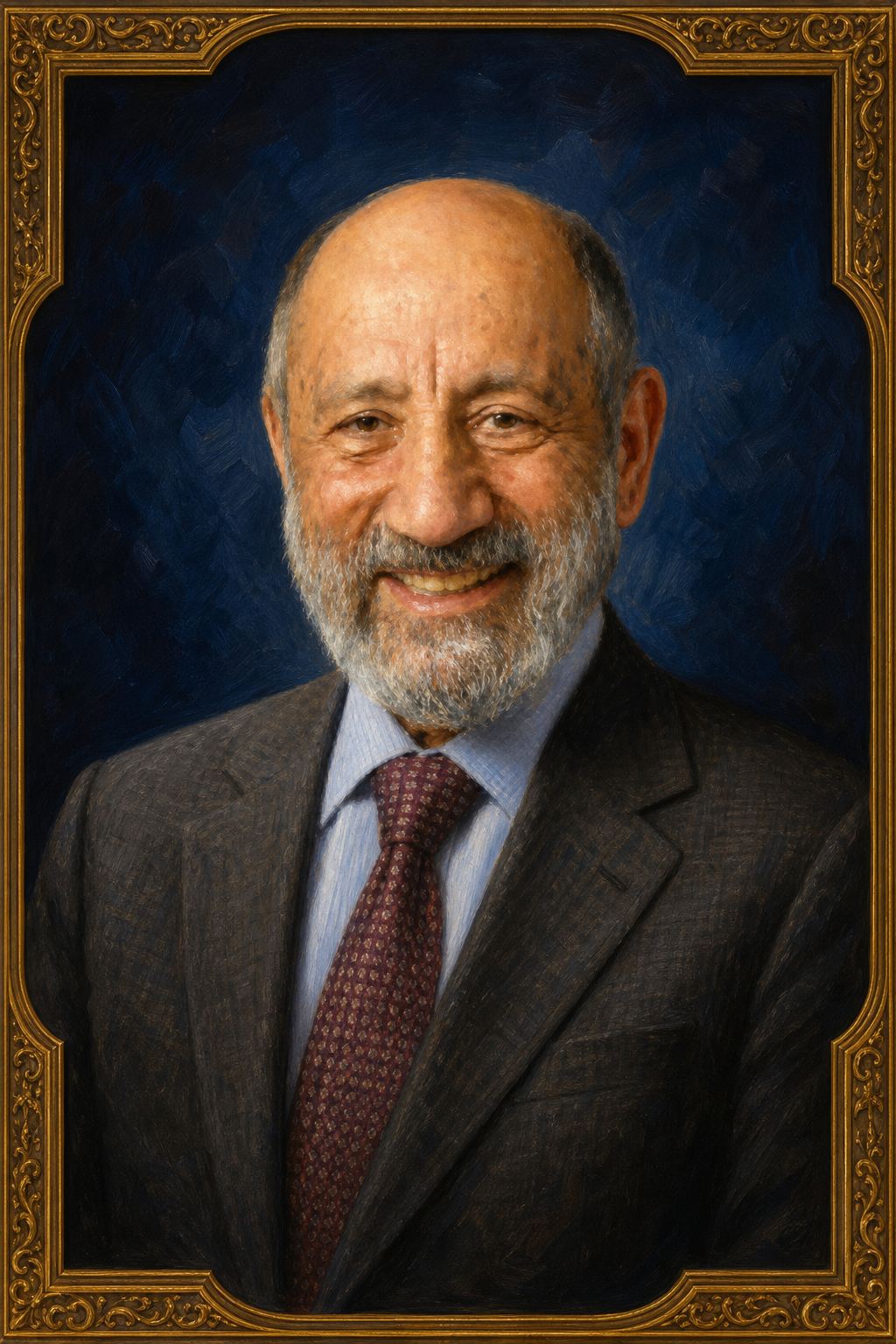
Dr. Zarjon Baha's life is a story of scholarship earned through perseverance and devotion to two nations. Born in Kabul in 1939, he was awarded full scholarships for every stage of his education — 17 consecutive years from high school through his doctorate — a testament to an intellect that opened doors others could not. He earned his undergraduate degree jointly from Kabul University and Washington University in St. Louis, his Master's from Purdue University, and his Ph.D. in Civil Engineering from North Carolina State University. He then made the deliberate choice to return to Afghanistan, where he served the Faculty of Engineering at Kabul University for two decades.
Upon his return to Kabul, Dr. Baha joined the Faculty of Engineering at Kabul University, rising from Associate Professor to Head of the Department of Civil and Agricultural Engineering and ultimately to Dean of the School of Engineering — one of the most senior academic positions in the country. He was also closely involved with the Department of Vocational and Technical Education (VTE), the first such department in Afghanistan, which trained teachers for vocational and technical high schools nationwide.
From 1973 to 1982 he served concurrently as Senior Design Consultant at the Center for Engineering Consulting Services and Applied Research (CECSAR) at Kabul University, supporting major engineering and infrastructure projects across the country.
In 1976, the Afghan government honored him with the National Presidential Teaching Award "Pohanna: Education" — the country's highest recognition for academic excellence in teaching.
In 1978, following the Communist coup (Saur Revolution), Dr. Baha was forcibly removed from his position as Dean. He remained in Afghanistan for four more years before relocating to the United States in 1982.
Dr. Baha joined Purdue University's Department of Building Construction Management in 1982 and built a distinguished four-decade career there:
After 2001, Dr. Baha answered a calling that many in the diaspora felt — to return and help rebuild. Since 2002, he made four trips to Afghanistan as part of Purdue University's collaboration with Afghan higher education institutions. He served as Principal Investigator on a landmark project for Vocational and Technical Education reform, conducting national workshops in Afghanistan to train educators and bringing Afghan faculty to Purdue to study Indiana's vocational education system. Purdue University has maintained ties with Afghanistan's higher education institutions since the mid-1960s, and Dr. Baha has been among its most dedicated ambassadors of that relationship.
Dr. Baha's research focuses on civil engineering structures, pre-cast and pre-stressed concrete wall panels, and — closest to his heart — technical education in developing countries, with a special focus on Afghanistan. He is a member of:
Attend our upcoming events and create memories with us.